Ideas
Printing Ideas on Corrugated Boxes
From direct flexo to spot UV — ten printing techniques for corrugated packaging, compared by cost, quality, run length, and sustainability.
· Kaizen Packaging
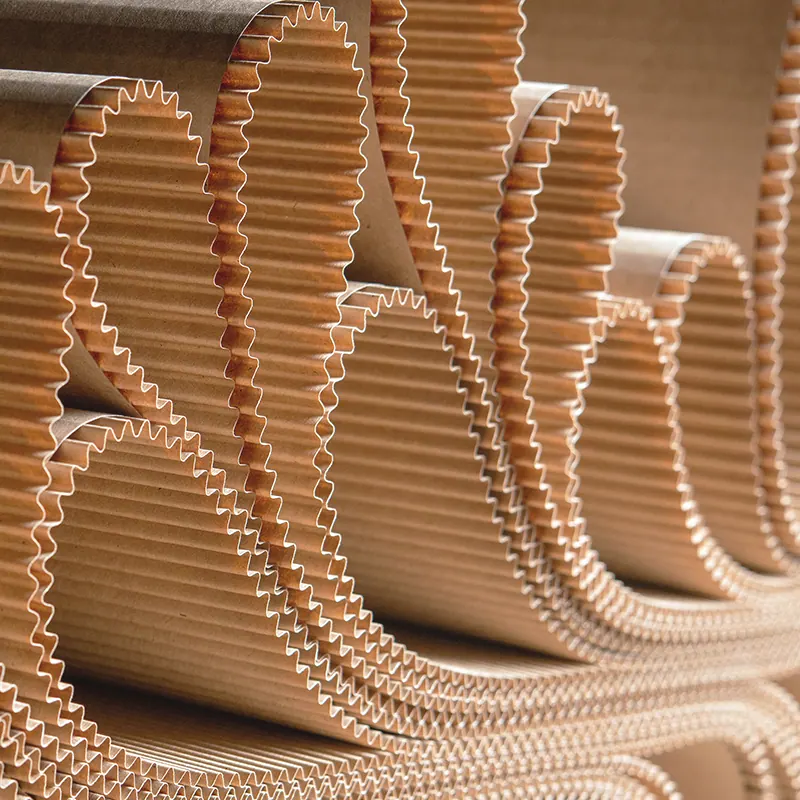
Corrugated box printing is not one technique — it is a spectrum from high-speed flexo runs to short-run digital, from pre-printed liners to foil-stamped luxury finishes. Choosing the wrong method wastes budget; choosing the right one elevates both protection and brand.
The ten techniques below are ordered from highest-volume to most decorative. Use them to brief your supplier and set quality expectations before sampling.
Flexographic Printing (Direct Flexo)
Flexographic printing is the industry standard for high-volume corrugated boxes. Flexible rubber or photopolymer plates transfer fast-drying, water-based inks directly onto the corrugated liner in a single inline pass. Flexo handles all flute types (B, C, E, micro) and is the most cost-effective method for large volumes and repeating designs. Standard 'line flexo' uses limited spot colors; 'process flexo' with four CMYK plates achieves near-photographic quality. Typical applications: shipping boxes, retail-ready display trays, FMCG outer cases.
Litho-Lamination
Litho-lamination is a two-stage process: high-quality full-color artwork is first printed on a thin paper sheet using offset lithography, then that printed sheet is laminated — glued — onto the outer face of corrugated board. The result brings near folding-carton image quality (sharp lines, photographic images, smooth color gradients) to a corrugated structure. Popular for retail shelf-ready boxes, gifting, and luxury brand packaging. Thinner flutes (E-flute, microflute) work best as a substrate because they provide a flatter bonding surface.
Digital Inkjet Printing (Direct-to-Board)
Digital inkjet prints directly onto corrugated board using water-based inks — no plates required. Ideal for short runs, prototypes, seasonal or campaign packaging, and variable data printing (different QR codes, names, or artwork per box). HP's PageWide corrugated press line delivers offset-substitutable print quality used by companies in e-commerce, electronics, and consumer goods. Digital also enables inside-box printing on folder-gluers. Limitation: per-unit cost is higher than flexo for very large runs.
Offset Printing (Pre-Print / Indirect)
Offset printing transfers ink from etched metal plates via a rubber blanket cylinder onto paper. When applied to corrugated packaging it is typically done as 'pre-print' — printing the outer liner paper before it is combined with the corrugated medium on the corrugator. Pre-print offset produces the sharpest, most color-consistent results of any technique, used by high-volume cereal, tissue, and household goods brands that want photographic quality at scale. It requires significant plate investment and longer setup, making it unsuitable for short or variable runs.
Screen Printing
Screen printing pushes thick ink through a fine mesh stencil onto the box surface, depositing a high layer of ink that creates extremely vibrant, opaque spot colors — ideal for bold logos and solid blocks of color on dark or natural kraft surfaces where other ink types appear washed-out. The thick ink layer also creates a subtle tactile effect. Limitations: not suited to photographic images or fine gradients, and mesh setup makes it cost-effective only for moderate volumes.
Rotogravure Printing
Rotogravure engraves the image into a metallic cylinder; ink sits in recessed cells and transfers to the substrate as the cylinder rotates. It achieves extremely consistent, high-resolution results across very long production runs (millions of impressions) and reproduces fine gradients and photographic detail. For corrugated packaging it is typically used on the liner paper before corrugating (pre-print). The major drawback is very high cylinder engraving costs, making it impractical below very large volume commitments. Rotogravure also uses solvent-based inks in many applications, requiring careful VOC management.
Inside-Box Printing / Surprise Unboxing Print
Inside-box printing applies graphics, brand storytelling, sustainability messaging, or QR codes to the interior faces of a corrugated box — transforming a shipping container into a brand touchpoint that surprises the recipient at the moment of opening. Market research shows 62% of consumers use unboxing videos during purchase research, and 30–40% share unique packaging on social media. BW Papersystems reports that adding single-pass inside-the-box printing on folder-gluers can boost production throughput by up to 50%.
One-Color Kraft Minimalism
Printing a single ink color (most often black or white) directly on natural unbleached brown kraft corrugated is one of the simplest and most cost-effective branding techniques — and one of the most on-trend for sustainability-conscious brands. The strong contrast between black ink and warm brown kraft creates a clean, premium aesthetic without chemical coatings or additional laminate layers. The box remains fully recyclable. Design guidance: keep to 1–3 colors maximum; a single sans-serif logo, brand name, or pattern is all that is needed.
Water-Based & Soy Inks for Flexo
Water-based inks are the most commonly used inks in corrugated flexo printing; they bond well with paper fibers and dry efficiently without heat tunnels. Soy-based inks add an extra sustainability layer by replacing petroleum carrier oil with renewable soybean oil — producing richer, more saturated colors and making printed paper significantly easier to de-ink during recycling, reducing chemical use at the repulping stage. Choosing water-based or soy inks over solvent-based inks reduces VOC emissions during printing, improves air quality in the production facility, and supports downstream paper recyclability.
Spot UV Coating & Foil Stamping
Spot UV applies a clear, glossy ultraviolet-cured varnish to selected areas of printed corrugated — logos, icons, product names — creating high contrast between the matte base and glossy focal points without adding metallic foil. The UV coating also provides localized protection against fingerprints, moisture, and scuffs. Foil stamping presses a thin metallic or colored foil film onto the surface using heat and a custom die, creating premium metallic logos or borders. Both are typically combined with flexo or litho-lam base printing. Note: traditional embossing is not recommended on corrugated because the wavy flute layer prevents a clean, consistent impression — spot UV or foil are the practical premium alternatives.
Ready to brief your packaging?
Kaizen manufactures custom corrugated boxes — design to delivery. Start a quote today.
Start a quote